
Understanding Cerebral Blood Clots - Causes, Symptoms, Diagnosis, and Treatment
Blocking brain blood vessels causes a cerebral blood clot, embolism, or thrombosis. This is also known as brain embolism or thrombosis.
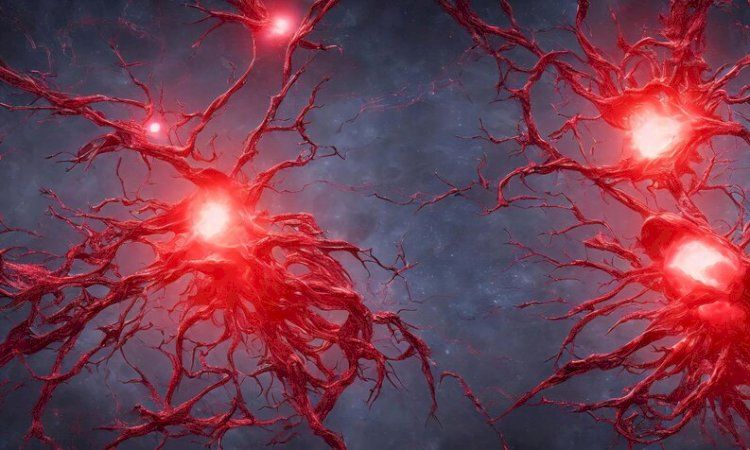
The human brain intricately controls our thoughts. It counts on a continuous supply of oxygen and nutrients to function correctly. The complicated cerebral vasculature distributes oxygen and nutrients to the brain. Cerebral vasculature helps. Brain clots can disrupt this delicate equilibrium and kill.
Blocking brain blood vessels causes a cerebral blood clot, embolism, or thrombosis. This is also known as brain embolism or thrombosis. Lifestyle choices or health issues may have caused these clots. Understanding these causes is essential to treating and preventing them.
Brain blood clots can originate anywhere. Atherosclerosis, which causes fatty deposits in artery walls, is a crucial cause. Atrial fibrillation and defective cardiac valves can cause heart-to-brain blood clots because the heart and brain share many blood vessels. Tobacco usage, high blood pressure, diabetes, obesity, and inactivity contribute. This knowledge helps the public and healthcare professionals identify and protect at-risk groups.
Brain blood clots can be managed if caught early and treated. Symptoms vary by clot size and location. These assaults often cause unilateral weakness, paralysis, and severe headaches. Other symptoms include difficulty understanding and expressing yourself, vertigo, and imbalance. Delaying detection of these warning signs could lead to irreparable brain damage.
After a proper diagnosis, clinicians must treat brain blood clots immediately. Medical history, physical exam, and advanced imaging can locate brain blood clots. CT, MRI, and angiography help doctors choose a treatment.
Brain clot severity, location, and patient health determine treatment. Emergency patients receive thrombolytic drugs and mechanical thrombectomy to dissolve blood clots. Preventing future blood clots may involve lifestyle changes and anticoagulant medication.
Causes of Cerebral Blood Clots
Thromboses, emboli, and brain clots can kill. This is a brain embolism or thrombosis. Clots can cause strokes and TIAs. Understanding what causes brain blood clots is essential for risk assessment, treatment, and prevention.
Atherosclerosis: Atherosclerosis in arterial walls causes brain blood clots. This causes cerebral thrombosis. Plaques form from these deposits, restricting blood flow. These clots can block blood flow and increase stroke risk. Lifestyle decisions such as eating a diet high in saturated fats, smoking, and not exercising can lead to atherosclerosis.
Atrial Fibrillation: AFib, a common cardiac arrhythmia, increases brain blood clot risk. Blood pools in the heart's upper chambers due to AFib-induced cardiac muscular weakness. Slow blood clots can induce strokes in the brain. Anticoagulants prevent fatal blood clots in atrial fibrillation patients.
Heart Valve Disorders: Mitral valve stenosis or failure can cause brain blood clots. Unsealed valves can block blood flow and cause heart chamber blood clots. If untreated, these clots can trigger a stroke.
Hypertension: Untreated high blood pressure damages blood vessel walls, increasing blood clot risk. Uncontrolled high blood pressure increases stroke risk from ischemic and hemorrhagic brain clots.
Diabetes: Hormonal abnormalities like diabetes can damage blood vessels. Diabetes can worsen. Diabetes may thicken blood artery walls, making blood clots more likely. Being overweight and having high cholesterol raises the risk of brain blood clots. Being overweight and having hypertension are also risks.
Hypercoagulable Conditions: Hypercoagulability occurs when a person's blood clots more efficiently owing to a medical condition or genetics. Factor V Leiden and antiphospholipid syndrome can cause brain or blood clots.
Smoking and Substance Abuse: Cocaine and cigarettes can damage blood vessel walls and cause blood clots. Smoking increases brain blood clot risk and stroke risk.
Sedentary Lifestyle: Obesity, hypertension, and other cardiovascular disease risk factors increase brain clots. Sedentary lifestyles and lack of exercise might worsen these diseases.
Age and Gender: Aged arteries are less elastic and break more accessible, increasing brain blood clot risk. Blood clots are more common in men, but after menopause, women are too.
Other Risk Factors: Brain clots can result from alcohol, medications, and family history.
Symptoms of Cerebral Blood Clots
Cerebral emboli and cerebral thrombosis are brain blood clots. These illnesses result from brain vein clots obstructing blood flow. Atherosclerosis, atrial fibrillation, cardiac valve difficulties, etc., can produce blood clots. Other things may cause clots. Brain clot symptoms depend on clot size, location, and other factors. Know these signals to get help faster.
Sudden and Severe Headaches: A sudden, severe headache indicates a brain blood clot. These headaches may be unusual. They've been called "intense," "throbbing," and "explosive" by sufferers. Further neurological symptoms may indicate a brain problem.
Weakness or Paralysis on One Side of the Body: Brain blood clots can damage behavior-regulating areas. This may cause tingling or numbness on one side. Hemiparesis describes this condition. This symptom may suddenly appear and vary in intensity, making normal functioning difficult.
Difficulty Speaking or Understanding Speech: Blood clots damage language-related brain regions. They may have expressive or receptive aphasia, making it hard for them to communicate. This symptom may frustrate and confuse the sufferer and others.
Vision Disturbances: Brain blood clots that move to the visual cortex can cause eye disorders. Poor vision, diplopia, and one- or two-eye blindness are vision impairments.
Dizziness and Loss of Balance: Brain clots can cause dizziness, nausea, and balance issues. Clots in the brain's balance and location center may trip and damage you. Brain clots increase injury risk.
Changes in Mental State and Consciousness: Brain clots can cause minor confusion to unresponsiveness. Distracted or irritated people may forget their duties.
Numbness or Tingling: If brain clots form, specific bodily parts may feel cold or tingle. Depending on clot location and sensory input, these symptoms may be sporadic or chronic.
Cerebral Blood Clots Diagnosis
Brain clots have many symptoms and require prompt treatment, making them hard to identify. Medical history, physical exams, and sophisticated imaging can detect, size, and locate brain blood clots.
Medical History Evaluation: Diagnosis begins with a complete medical history. This evaluation should include lifestyle and sickness history. Brain blood clot risk estimates require information on high blood pressure, diabetes, smoking, obesity, and heart disease.
Physical Examinations: Physical examinations indicate the patient's nervous system health. Balance, reflexes, and touch are tested. Neurological symptoms may indicate a brain blood clot, including one-sided weakness or numbness, trouble speaking, or vision changes.
Neuroimaging Techniques: CT scan for brain clots. A brain clot diagnosis begins with this. This non-invasive imaging method produces precise brain cross-sections. The medical team can next identify brain locations with restricted blood supply to determine if the clot has caused bleeding or brain tissue damage.
MRI can also detect brain blood clots. Its sharp contrast with soft tissue reveals the clot's location and size. DWI and PWI MRI scans distinguish acute ischemic strokes from other brain diseases.
MRA and CTA can identify blood clots and atherosclerosis-related stenosis in the brain's arteries. MRA and CTA are diagnostic imaging procedures. MRA and CTA can locate the blockage and determine cerebral blood flow issues.
Digital Subtraction Angiography (DSA) can be utilized if angiograms are unclear. DSA aids arterial system assessment. This invasive test injects contrast dye into blood vessels and takes X-rays of the afflicted area. This shows blood flow and blockages in real-time.
Blood Tests: PT, aPTT, INR, and platelet counts are used to assess a patient's coagulation profile. If any of these measures are abnormal, coagulation or clot risk may be increased. Both are awful.
Transcranial Doppler Ultrasound: TCD ultrasonography, a non-invasive method, can measure brain vein blood velocity. It can detect clot-induced cerebral blood flow changes and assess anti-clot medication efficacy during therapy. It also detects organ blood flow changes.
Cerebral Blood Clots Treatments
Brain clots can be treated in numerous ways. Treatment options vary depending on clot size, location, origin, patient health, and symptom duration. Prompt medical intervention reduces brain injury severity and improves recovery probabilities.
Thrombolyrics Medications: Intravenous thrombolytics dissolve clots. TPA is one such drug. The medicine breaks up the clot and restores cerebral blood flow, reducing the lesion. tPA must be given within a few hours of the initial attack signs to be effective. Due to their bleeding risk, thrombolytics should only be issued after rigorous examination.
Mechanical Thrombectomy: Mechanical thrombectomy may be considered if thrombolytics fail. This operation removes the clot from the blocked blood vessel using catheters and other equipment. Mechanical thrombectomy often uses imaging guidance to remove the clot entirely and precisely. Significant artery blockages benefit from this treatment. Like thrombolytics, this medicine works best when administered shortly after a clot forms.
Anticoagulant Medications: Anticoagulants, or "blood thinners," prevent blood clots. These drugs prevent blood clots. They prevent blood coagulation. Blood clots, atrial fibrillation, and other heart issues often require anticoagulants. Anticoagulants require monitoring of blood clotting markers such as the INR. Several factors affect blood clotting.
Antiplatelet Medications: Aspirin and clopidogrel are given to patients to prevent blood clots. They reduce artery clot risk by preventing platelets from adhering together. Certain heart conditions, strokes, and TIAs often require antiplatelet treatment.
Blood Pressure Management: Controlling your blood pressure prevents strokes and brain clots. Hypertension causes cerebral thrombosis. Your doctor may recommend blood pressure medication, diet adjustments, exercise, and stress management.
Surgical Interventions: Surgery can eliminate brain blood clots. An aneurysm or vascular irregularity may require surgery. This would resolve the condition, preventing more clots or ruptures.
Rehabilitation and Supportive Care: Rehabilitation may assist cerebral blood clot patients in recovering neurological function and quality of life after acute treatment. Physical, occupational, and speech therapy help patients recover and manage their issues.
Conclusion
Knowledge is power in brain protection and cerebral thrombosis prevention. Atherosclerosis, dysrhythmias, valvular abnormalities, high blood pressure, and diabetes can cause blood clots. Monitor severe headaches, weakness, problems speaking, and vision changes for early detection and treatment.
Imaging technology has made thrombolytics, mechanical thrombectomy, anticoagulants, and antiplatelet medications possible, improving patient outcomes. Brain clot survivors who finish their treatment plan, which may include lifestyle changes and rehabilitation, have a better prognosis and more self-confidence.
Also, read: Best Cancer Hospital in Kerala, India,



Comments (0)
Leave a comment